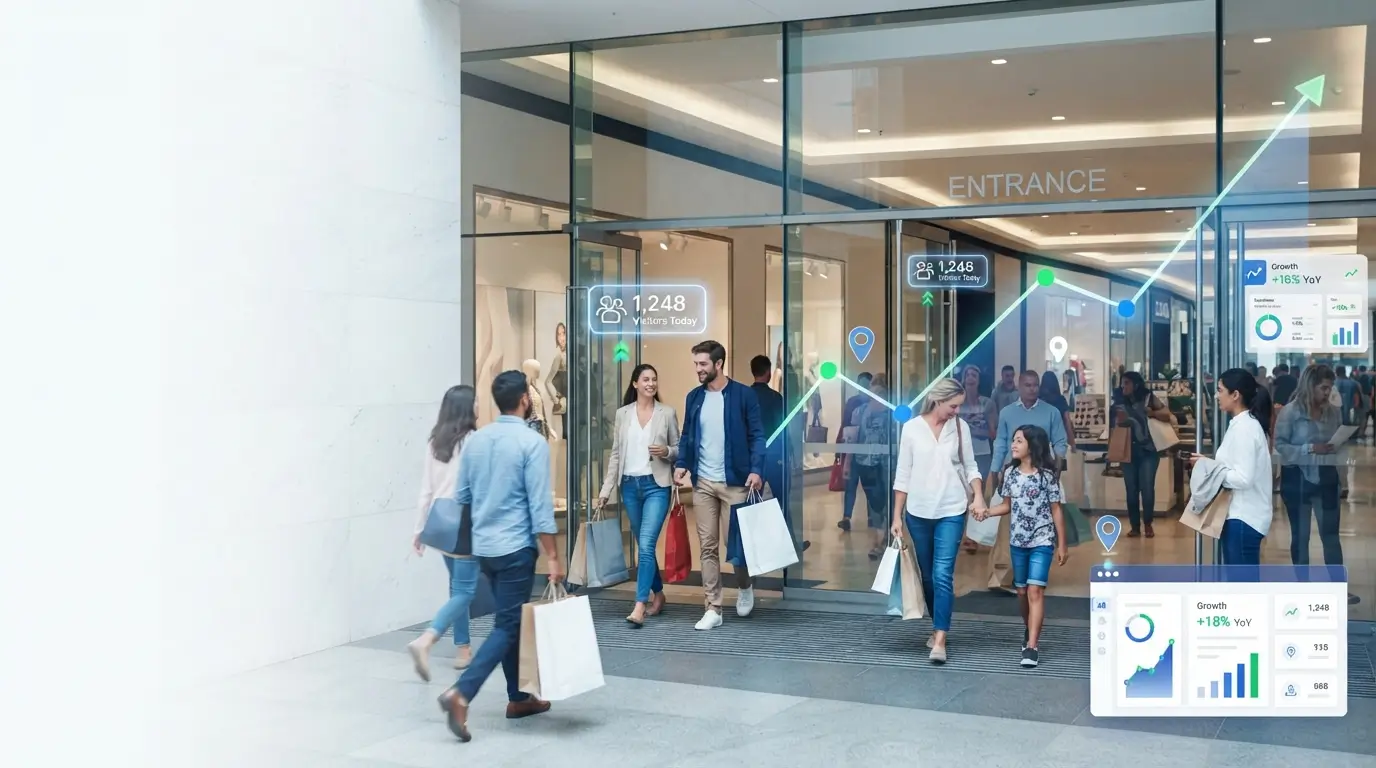
Footfall meaning refers to the number of people who enter or pass through a particular place during a specific period. The term is most commonly used in retail, shopping malls, and business analytics to measure how many potential customers visit a location. Businesses use footfall data to understand customer behavior, improve marketing strategies, and estimate sales opportunities.
Although the word originally described the sound or movement of people’s footsteps, its modern meaning has expanded significantly. Today, footfall is an important performance indicator for stores, restaurants, airports, museums, and other public venues. Companies compare footfall with sales figures to evaluate whether marketing campaigns, seasonal events, or promotions successfully attract visitors.
Understanding footfall meaning is valuable not only for business owners but also for students, marketers, property managers, and anyone interested in commerce. This guide explains the origin, meanings, cultural context, practical uses, misconceptions, and examples of footfall in everyday language.
Footfall means: the number of people who enter, pass through, or visit a particular location during a specific time period. In retail and business, footfall is a key metric used to measure customer traffic, evaluate store performance, and understand visitor behavior for better decision-making.
Origin & History of Footfall Meaning
The word footfall comes from the combination of two simple English words: foot and fall. Originally, it described the sound made when a person’s foot touched the ground while walking. Writers used the word in literature to create vivid descriptions of movement, silence, or approaching people.
Over time, especially during the twentieth century, businesses in the United Kingdom began using footfall in a different way. Instead of describing footsteps, retailers used it to count how many people entered shopping streets and stores. The term became especially popular as shopping centers grew larger and businesses looked for ways to measure customer activity.
Today, technology has transformed footfall measurement. Modern stores use sensors, cameras, Wi-Fi tracking, and digital analytics to estimate visitor numbers accurately. These systems help managers understand peak shopping hours, seasonal trends, and customer preferences.
As commerce became increasingly data-driven, footfall evolved from a literary word into one of the most important performance indicators in retail analytics.
Primary Meaning of Footfall
The primary footfall meaning is the number of people visiting or passing through a particular place within a defined time frame.
Businesses often compare footfall with actual purchases. For example, a clothing store may receive 2,000 visitors in one day but make only 200 sales. This comparison helps managers calculate conversion rates and improve customer experiences.
Footfall is commonly measured in locations such as:
- Retail stores
- Shopping malls
- Supermarkets
- Museums
- Airports
- Railway stations
- Tourist attractions
- Events and exhibitions
Higher footfall usually indicates greater public interest, although it does not automatically guarantee higher profits. Businesses also need effective customer service, attractive displays, competitive pricing, and quality products to convert visitors into buyers.
Because footfall provides valuable insights into consumer behavior, it remains one of the most widely used metrics in retail and commercial planning.
Cultural Meanings of Footfall
While footfall is mainly associated with business today, its cultural meaning varies depending on context.
In literature, footfall often symbolizes someone’s arrival, presence, or emotional impact. Authors may describe soft footfall to create suspense or heavy footfall to suggest authority or danger.
In urban planning, footfall reflects the vibrancy of a neighborhood. Busy streets with high pedestrian activity often indicate successful commercial districts and healthy local economies. Cities frequently analyze pedestrian footfall before approving new businesses or public developments.
During festivals and public celebrations, high footfall is viewed positively because it demonstrates community participation and economic activity. Markets, museums, and cultural attractions often report visitor footfall after major events to measure success.
Different countries also use similar concepts under different names. In North America, “customer traffic” or “visitor traffic” is more common, while “footfall” remains especially popular in British English.
These cultural uses show how the word has expanded far beyond its original literal meaning.
Spiritual or Religious Meaning
Unlike many symbolic words, footfall generally has no direct spiritual or religious meaning in major world religions.
However, footsteps themselves often carry symbolic value. In religious texts, following someone’s footsteps may represent guidance, faith, wisdom, or moral direction. Because footfall originally referred to footsteps, it can sometimes appear in religious literature with symbolic significance.
For example, poetic expressions may describe hearing gentle footfall as a sign of peace, hope, or divine presence. These interpretations are literary rather than official religious definitions.
In meditation traditions, mindful walking emphasizes awareness of each step. Although practitioners usually discuss walking rather than footfall specifically, the sound and rhythm of footsteps may symbolize mindfulness and inner calm.
Therefore, any spiritual interpretation depends largely on context instead of being an established religious meaning.
Slang and Modern Usage
In modern English, footfall is rarely used as slang. Instead, it functions as a professional business term.
Retail managers regularly discuss footfall when reviewing daily performance. Marketing teams analyze footfall before and after advertising campaigns. Event organizers estimate expected footfall before concerts, exhibitions, and festivals.
Examples include:
- “Weekend footfall increased by 20%.”
- “The promotion boosted shopping mall footfall.”
- “Poor weather reduced city center footfall.”
The rise of digital analytics has made the term even more common. Businesses combine footfall statistics with customer demographics, purchasing patterns, and sales data to improve decision-making.
Outside business, people occasionally use footfall simply to describe pedestrian activity in parks, public squares, or tourist destinations.
Even though the meaning has broadened, it remains closely connected to measuring visitor numbers rather than casual conversation.
Context-Based Meanings of Footfall
The meaning of footfall changes slightly depending on the setting in which it is used. While the core idea always relates to people visiting or passing through a location, the purpose of measuring footfall varies across industries.
Retail and Shopping
In retail, footfall refers to the number of customers entering a store or shopping center. Retailers compare footfall with completed purchases to calculate their conversion rate. If a store has high footfall but low sales, it may indicate issues with pricing, product selection, or customer service.
Business Analytics
Business analysts use footfall data to evaluate performance and make informed decisions. By studying visitor numbers over weeks or months, companies can identify trends, forecast demand, and decide when to launch promotions or adjust staffing levels.
Public Spaces
Cities and local governments monitor pedestrian footfall in streets, parks, and public squares. High footfall often suggests that an area is attractive, accessible, and economically active. Urban planners use this information when improving transportation, public safety, and commercial zones.
Tourism and Events
Tourist attractions, museums, exhibitions, and festivals rely on footfall to measure success. Organizers compare visitor numbers with previous years to assess the popularity of events and plan future improvements.
Although the contexts differ, footfall always represents the movement or presence of people in a physical location.
Color, Design, or Style Variations
Unlike symbols, logos, or tattoos, footfall does not have official color or design variations because it is a measurement rather than a visual object.
However, businesses often present footfall data using different visual styles in reports and dashboards. Common examples include:
- Bar charts showing daily visitor numbers.
- Line graphs displaying weekly or monthly trends.
- Heat maps identifying the busiest areas inside a store.
- Interactive dashboards combining footfall with sales statistics.
Retail analysts may also use color coding to highlight performance. Green commonly represents increased footfall, yellow indicates stable traffic, and red signals declining visitor numbers. These colors are reporting tools rather than symbolic meanings of the word itself.
Modern analytics software allows businesses to visualize customer movement inside stores. This helps managers optimize product placement, improve store layouts, and reduce congestion during busy shopping periods.
Therefore, while footfall itself has no symbolic design meaning, it is frequently represented through visual analytics that make complex visitor data easier to understand.
Common Misconceptions About Footfall
Several misunderstandings surround the meaning of footfall, especially among people unfamiliar with retail terminology.
One common misconception is that high footfall automatically means high sales. In reality, a business can attract many visitors without converting them into paying customers. Effective merchandising, competitive pricing, and excellent customer service remain essential.
Another misconception is that footfall counts only paying customers. In fact, it measures everyone who enters or passes through a location, regardless of whether they make a purchase.
Some people also believe footfall is used only by shopping malls. While retail businesses are major users, airports, museums, libraries, universities, hospitals, stadiums, and transportation hubs also rely on footfall data.
Others confuse footfall with website traffic. Although both measure visitor activity, footfall relates to physical locations, whereas website traffic measures online visits.
Finally, some assume footfall numbers are always exact. Modern counting systems are highly accurate, but estimates can vary depending on the technology used, environmental conditions, and data collection methods.
Understanding these distinctions helps people interpret footfall statistics more accurately.
How to Use Footfall in a Sentence
Here are some examples showing how the word is naturally used in English.
- The shopping mall experienced record footfall during the holiday season.
- Poor weather reduced footfall across the city center.
- The marketing campaign successfully increased store footfall by attracting new customers.
- Museum footfall rose significantly after the new exhibition opened.
- Business analysts compared monthly footfall with sales to measure conversion rates.
Each example uses footfall to describe the number of people visiting or passing through a physical location rather than simply walking nearby.
Frequently Asked Questions About Footfall
What does footfall mean?
Footfall means the number of people who enter, visit, or pass through a particular location during a specific period. The term is commonly used in retail, business analytics, tourism, and public planning to measure customer or visitor traffic and evaluate how busy a place is.
What is the origin of footfall?
Footfall originated in the English language as a word describing the sound or movement of footsteps. During the twentieth century, particularly in the United Kingdom, retailers adopted the term to describe customer traffic entering stores and shopping districts.
What does footfall mean in business?
In business, footfall measures how many people visit a physical location such as a store, shopping mall, or exhibition. Companies use this information to evaluate marketing campaigns, forecast demand, improve staffing, and compare visitor numbers with actual sales.
Is footfall positive or negative?
Footfall is a neutral business term. High footfall is generally viewed positively because it indicates strong visitor interest, but it does not guarantee financial success. Low footfall may suggest reduced customer activity, although businesses should also consider seasonal and economic factors.
What is the difference between footfall and customer traffic?
Footfall and customer traffic are closely related and often used interchangeably. Footfall is more common in British English, while customer traffic is frequently used in North America. Both describe the number of people visiting a physical location.
What does footfall symbolize?
In business, footfall symbolizes public interest, accessibility, and commercial activity. In literature, the original meaning of footsteps may symbolize arrival, movement, anticipation, or someone’s presence depending on the context.
Why do businesses measure footfall?
Businesses measure footfall to understand visitor behavior, improve marketing strategies, optimize store layouts, schedule employees efficiently, and increase conversion rates. Accurate footfall analysis helps organizations make informed decisions based on real customer activity.
Related Searches & Topics
Many people search for customer traffic when learning about footfall. The two terms usually refer to the same concept, although customer traffic is more common in American English and footfall is widely used in British English.
Another related search is conversion rate. Businesses compare footfall with completed purchases to determine how effectively they turn visitors into paying customers. A higher conversion rate often reflects a better shopping experience.
People also look for information about retail analytics. This field combines footfall data with sales figures, marketing performance, and customer behavior to help businesses improve decision-making and profitability.
A common search involves pedestrian traffic. While pedestrian traffic includes people walking through public spaces, footfall often focuses on visitors entering a specific location such as a store, museum, or event venue.
Many readers are interested in people counting technology. Modern systems use sensors, cameras, artificial intelligence, and anonymous tracking methods to estimate visitor numbers accurately and generate detailed business reports.
Conclusion
The footfall meaning is the number of people who visit or pass through a particular location within a specific period. Although the word originally referred to the sound of footsteps, it has become a vital business term used in retail, tourism, urban planning, and analytics. Understanding footfall helps businesses measure customer interest, improve operations, and make informed decisions based on visitor behavior.
Whether you encounter the term in a shopping mall report, a business presentation, or a discussion about city planning, its purpose remains the same: measuring human movement in physical spaces. Knowing the different contexts makes the concept easier to understand and apply in everyday life.

Daniel Matthews is a Bible researcher and Christian writer with a passion for explaining biblical terms, names, symbols, and theological concepts in simple language. He specializes in Old Testament studies, Hebrew word meanings, and biblical symbolism, helping readers better understand Scripture and its historical context.