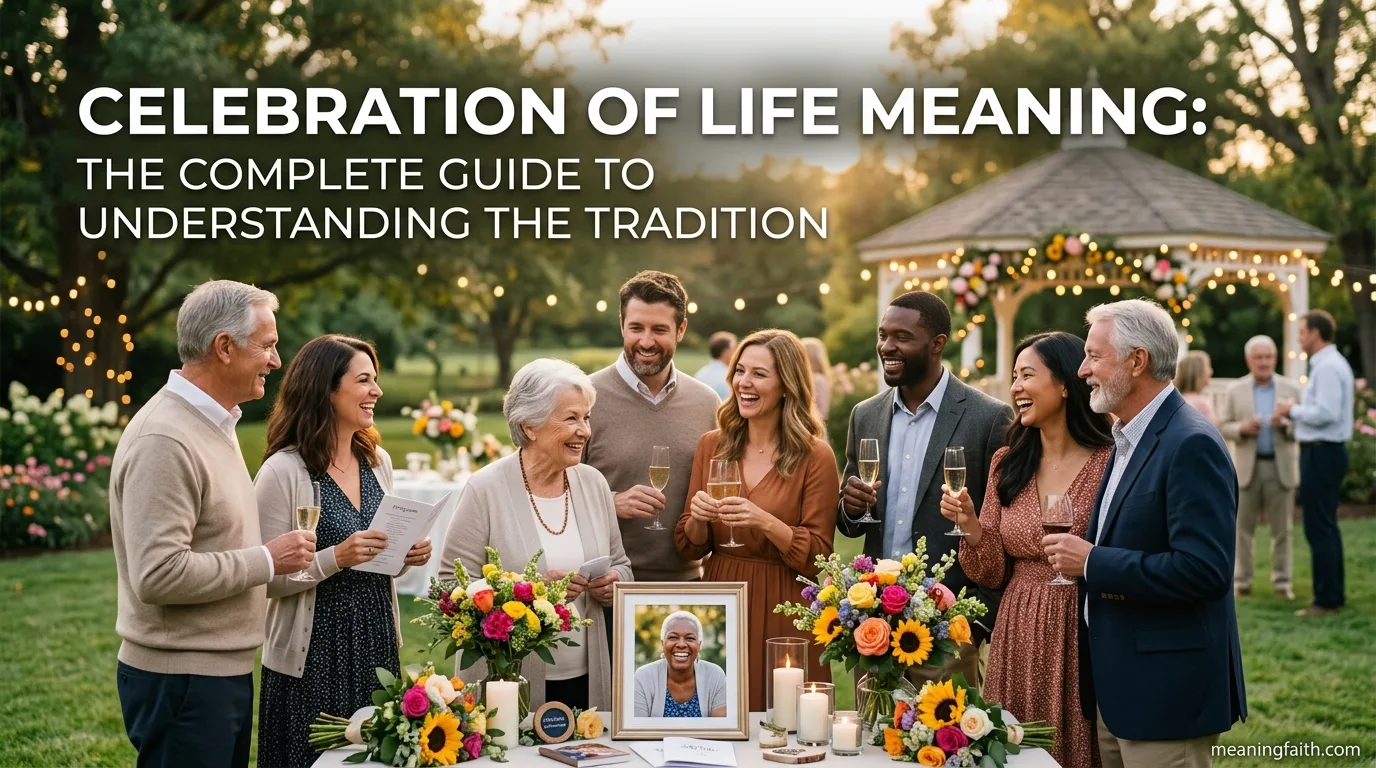
The phrase celebration of life meaning refers to a gathering that honors and remembers a person who has died by focusing on their memories, personality, achievements, and impact on others. Unlike a traditional funeral that may center more on mourning and ceremony, a celebration of life often emphasizes storytelling, gratitude, and connection. Families and friends may share photos, music, personal stories, and meaningful moments that reflect the individual’s journey.
A celebration of life can be influenced by different cultures, beliefs, and personal preferences. Some people connect it with spiritual traditions, while others view it as a modern approach to remembering someone after death. The practice can include elements from a memorial service, an obituary reading, religious customs such as Christianity, or personal rituals created by loved ones.
Understanding this phrase helps explain why many people choose gatherings that recognize both loss and the positive influence someone had during their lifetime. It represents remembrance, love, and the continuation of a person’s legacy through the people they touched.
celebration of life meaning means: A celebration of life is a gathering held after someone’s death to honor their memories, personality, and achievements. It focuses on remembering the positive impact of the person rather than only expressing sorrow. Families and friends often use stories, music, photos, and shared experiences to create a meaningful tribute.
Origin & History of celebration of life meaning
The roots of the celebration of life meaning come from long-standing human traditions of honoring the dead while preserving memories of their lives. Throughout history, societies have created ceremonies to recognize a person’s journey and provide support for those experiencing grief. Although the exact phrase is relatively modern, the idea behind it has existed across many civilizations.
Ancient communities often used rituals, gatherings, and storytelling to keep the memory of deceased people alive. These practices show that remembrance has always been an important part of human culture. A person’s name, accomplishments, and relationships were preserved through family stories and community traditions.
The modern use of the phrase became more common in the late 20th and early 21st centuries, especially in countries such as the United States, Canada, and the United Kingdom. Many families began choosing personalized ceremonies instead of following only traditional funeral formats.
Today, a celebration of life may happen before or after burial or cremation. It can be held in a funeral home, community space, garden, place of worship, or another location connected to the person being remembered. The focus is usually on creating a personal tribute rather than following one fixed structure.
Primary Meaning of celebration of life meaning
The primary celebration of life meaning is an event that honors a person’s life story after their death. It recognizes that while death brings sadness, a person’s experiences, relationships, and contributions can also be remembered with appreciation.
A celebration of life does not ignore grief. Instead, it often creates a space where grief and gratitude exist together. People may cry while listening to emotional stories, but they may also laugh while remembering funny moments or special memories.
Common elements include:
- Sharing personal stories about the deceased person
- Displaying photographs or meaningful objects
- Playing favorite songs or music
- Reading an obituary or personal message
- Creating a space where family and friends can connect
The main purpose is to highlight the individual rather than focus only on the circumstances of their death. For example, a gathering might celebrate someone’s kindness, career achievements, hobbies, family relationships, or influence on their community.
A celebration of life is flexible because every person’s story is different. Some events are formal, while others feel more like a casual gathering. The meaning comes from the intention behind the event: honoring someone’s life and keeping their memory present.
Cultural Meanings of celebration of life meaning
The cultural meaning of a celebration of life varies depending on traditions, beliefs, and regional customs. Different communities have developed their own ways of remembering people who have passed away.
In the United States, the phrase is often associated with personalized memorial gatherings. These events may include speeches, photo displays, favorite foods, and music chosen by loved ones. The approach reflects a cultural shift toward creating ceremonies that represent the unique identity of the person.
In New Orleans, traditions surrounding remembrance often combine music, community, and emotional expression. The city is known for funeral customs that may include musical elements, reflecting the belief that honoring someone can involve both mourning and celebration.
In some cultures, remembrance focuses strongly on continuing relationships with ancestors. A celebration of life may connect with traditions where families gather regularly to honor those who came before them.
Different religions also influence how people understand these gatherings. Christianity may emphasize eternal life, hope, and spiritual comfort, while Buddhism may focus on impermanence, compassion, and reflection on the nature of existence.
Although customs differ, the shared cultural idea is that a person’s influence continues through memories, relationships, and the stories people tell.
Spiritual / Religious Meaning of celebration of life meaning
The spiritual meaning of a celebration of life is often connected to ideas of transition, hope, and the lasting value of a person’s existence. Many religions have traditions for honoring the deceased, and a celebration of life may incorporate these beliefs.
Within Christianity, a celebration of life can reflect faith in eternal life and the belief that death is not the end of a person’s spiritual journey. Religious readings, prayers, or hymns may be included depending on the family’s preferences.
In Buddhism, remembrance practices may focus on compassion, acceptance, and reflection on impermanence. A gathering may encourage people to appreciate the life that was lived while recognizing that change is a natural part of existence.
Other spiritual perspectives may view a person’s legacy as continuing through love, lessons, and the influence they leave behind. Some families include rituals involving candles, flowers, meaningful objects, or moments of silence.
The spiritual side of a celebration of life is not limited to one belief system. Many people who are not religious also find meaning in these gatherings because they provide a chance to reflect on connection, gratitude, and the value of human relationships.
Slang / Modern Usage of celebration of life meaning
The phrase celebration of life is not usually slang, but modern usage has expanded beyond traditional ceremonies. Today, people sometimes use similar language when discussing events that honor achievements, milestones, or personal journeys.
For example, someone might describe a retirement gathering, anniversary event, or community tribute as a “celebration of life” in a broader sense. However, the most common meaning remains connected to remembering someone who has died.
Social media has also influenced how people use the phrase. Online memorial pages, tribute videos, and digital remembrance spaces allow people to celebrate someone’s life even when they cannot attend an in-person gathering.
The modern approach often emphasizes positive memories rather than focusing only on loss. This reflects changing attitudes toward mourning, where people increasingly seek personal and meaningful ways to process death.
Context-Based Meanings of celebration of life meaning
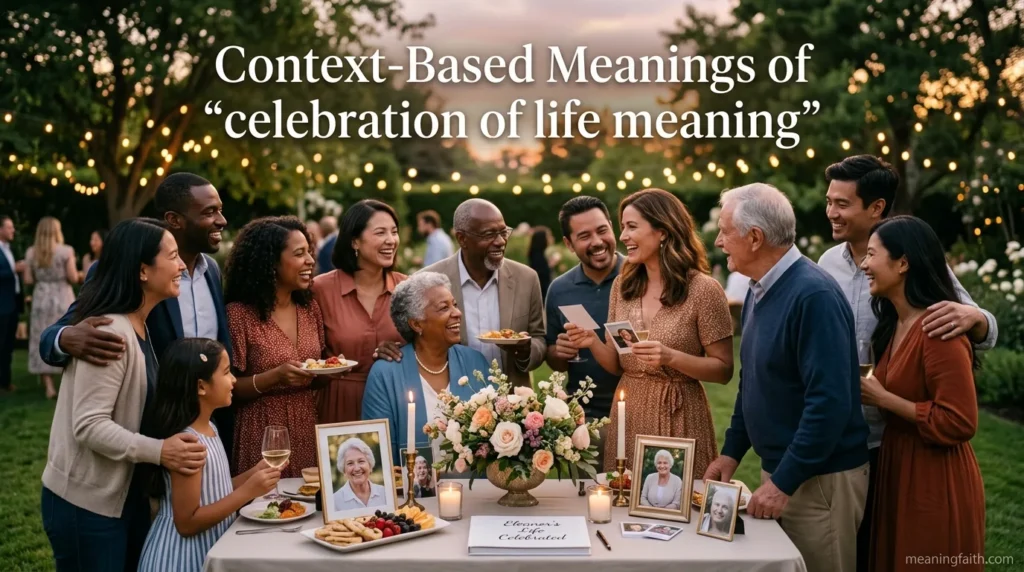
The celebration of life meaning can change slightly depending on the situation where the phrase is used. Understanding the context helps explain why people choose this type of gathering.
Funeral context
In a funeral context, a celebration of life is an alternative or complement to traditional funeral practices. It may happen after a funeral service or instead of one. The focus is usually on memories, stories, and honoring the person’s character.
Family context
For a family, a celebration of life provides a shared moment to remember someone important. Relatives may gather to tell stories, support each other, and recognize the role the person played in their lives.
Community context
Communities may organize celebrations of life to honor people who made a meaningful contribution. Teachers, leaders, artists, and volunteers may be remembered through public gatherings.
End-of-life context
In some cases, the phrase connects with end-of-life ceremony planning. People may choose the style, music, readings, or themes of their own future memorial to ensure the event reflects their values.
A celebration of life can therefore represent both personal mourning and collective remembrance.
Color / Design / Style Variations
There are no official colors or designs required for a celebration of life, but certain visual choices often carry emotional meaning. Many families select decorations based on the personality, interests, or favorite things of the person being remembered.
Flowers are commonly used because they symbolize beauty, growth, and remembrance. Photos, artwork, personal belongings, and favorite colors may also become part of the setting.
Some celebrations use bright colors to represent joy, energy, and positive memories. Others choose softer designs that create a peaceful atmosphere. The style may range from elegant and formal to simple and informal.
A person who loved nature might be remembered through an outdoor gathering with plants and natural decorations. Someone who enjoyed music might have instruments, playlists, or performances included.
The design choices are not about following a strict tradition. Instead, they help tell the story of the individual and create an environment where people feel connected to their memory.
Common Misconceptions About celebration of life meaning
One common misconception is that a celebration of life means people are not grieving. In reality, grief is often a central part of these gatherings. The difference is that the ceremony may place more attention on appreciation and memories.
Another misunderstanding is that celebrations of life are only for people with certain beliefs. They can be religious, spiritual, or completely nonreligious. The format depends on the wishes of the person being honored and their loved ones.
Some people also assume that a celebration of life is always informal. While many are relaxed gatherings, others are carefully planned ceremonies with structured speeches, readings, and traditions.
A further misconception is that the event replaces every funeral tradition. In some cases, families hold both a funeral and a celebration of life, using each event for a different purpose.
The meaning is ultimately personal. There is no single correct way to create a tribute.
How to Use celebration of life meaning in a Sentence
Here are examples showing how the phrase can be used naturally:
- “The family explained the celebration of life meaning before inviting guests to share their memories.”
- “They planned a celebration of life to honor her kindness, achievements, and lasting influence.”
- “The celebration of life included music, photographs, and stories from close friends.”
- “Many people now choose a celebration of life instead of a traditional memorial service.”
- “Understanding celebration of life meaning helps families create a tribute that feels personal.”
These examples show that the phrase usually refers to a meaningful gathering connected with remembrance. It can describe both the event itself and the broader idea of honoring someone’s journey.
Frequently Asked Questions About celebration of life meaning
What does celebration of life meaning mean?
The celebration of life meaning refers to a gathering that honors a person who has died by focusing on their memories, achievements, relationships, and positive influence. It is often designed to recognize the person’s unique story while giving family and friends a place to share emotions and support one another.
What is the origin of celebration of life meaning?
The phrase became widely used in modern memorial culture, especially in Western countries during the late 20th century. However, the practice of gathering to honor the dead has existed throughout human history through cultural rituals, storytelling, and remembrance traditions.
What does celebration of life mean in a religious context?
In a religious context, a celebration of life may reflect beliefs about the soul, spiritual connection, and the meaning of existence. Christianity may connect it with eternal life, while Buddhism may emphasize compassion and acceptance of change. Other traditions may have their own interpretations.
Is celebration of life positive or negative?
A celebration of life is generally viewed as a positive and meaningful approach to remembrance. It does not remove sadness or grief, but it encourages people to focus on love, gratitude, memories, and the impact the person had on others.
What is the difference between celebration of life and funeral?
A funeral often follows traditional rituals connected with death and mourning, while a celebration of life usually emphasizes personal memories and achievements. Some families choose one approach, while others combine both to create a complete tribute.
What does celebration of life symbolize?
A celebration of life symbolizes remembrance, connection, gratitude, and the continuation of a person’s legacy. It represents the idea that although someone has died, their influence remains through the people, lessons, and memories they leave behind.
Why do people use or get a celebration of life?
People choose a celebration of life because it allows them to create a personalized tribute. It gives family and friends an opportunity to share stories, express emotions, and honor the qualities that made the person meaningful to them.
Related Searches & Topics
People often search for “celebration of life vs funeral” when trying to understand the difference between these two types of remembrance events. The main distinction is usually the focus: funerals often follow established rituals, while celebrations of life are commonly personalized.
Another related query is “how to plan a celebration of life.” Planning usually involves choosing a location, selecting meaningful activities, inviting guests, and deciding how to represent the person’s personality and legacy.
The phrase “celebration of life ideas” is also frequently searched by families looking for creative ways to honor someone. Ideas may include memory books, photo displays, favorite music, storytelling sessions, or symbolic activities.
Many people also look up “celebration of life ceremony examples” to understand what these gatherings can include. Examples often show a wide range of styles, from small family events to larger community tributes.
A related topic is “memorial service meaning,” which helps explain how remembrance events provide emotional support and preserve important memories. Memorial services and celebrations of life often share similar goals while using different formats.
Conclusion
The celebration of life meaning centers on honoring a person’s journey, memories, and influence after death. It can represent a personalized memorial gathering, a cultural tradition, or a spiritual reflection on the value of human connection. While it is often associated with grief, it also creates space for gratitude, storytelling, and remembrance.
Different families, communities, and belief systems may shape these ceremonies in unique ways, from religious services to informal gatherings with friends. At its heart, a celebration of life recognizes that a person’s legacy continues through the lives they have touched. Which meaning of celebration of life meaning resonates most with you?

Grace Anderson is a contributor at MeaningFaith.com who specializes in dream meanings, symbolism, and personal growth topics. She is dedicated to creating informative and reader-friendly content that helps people explore the deeper meanings behind everyday experiences and spiritual concepts.