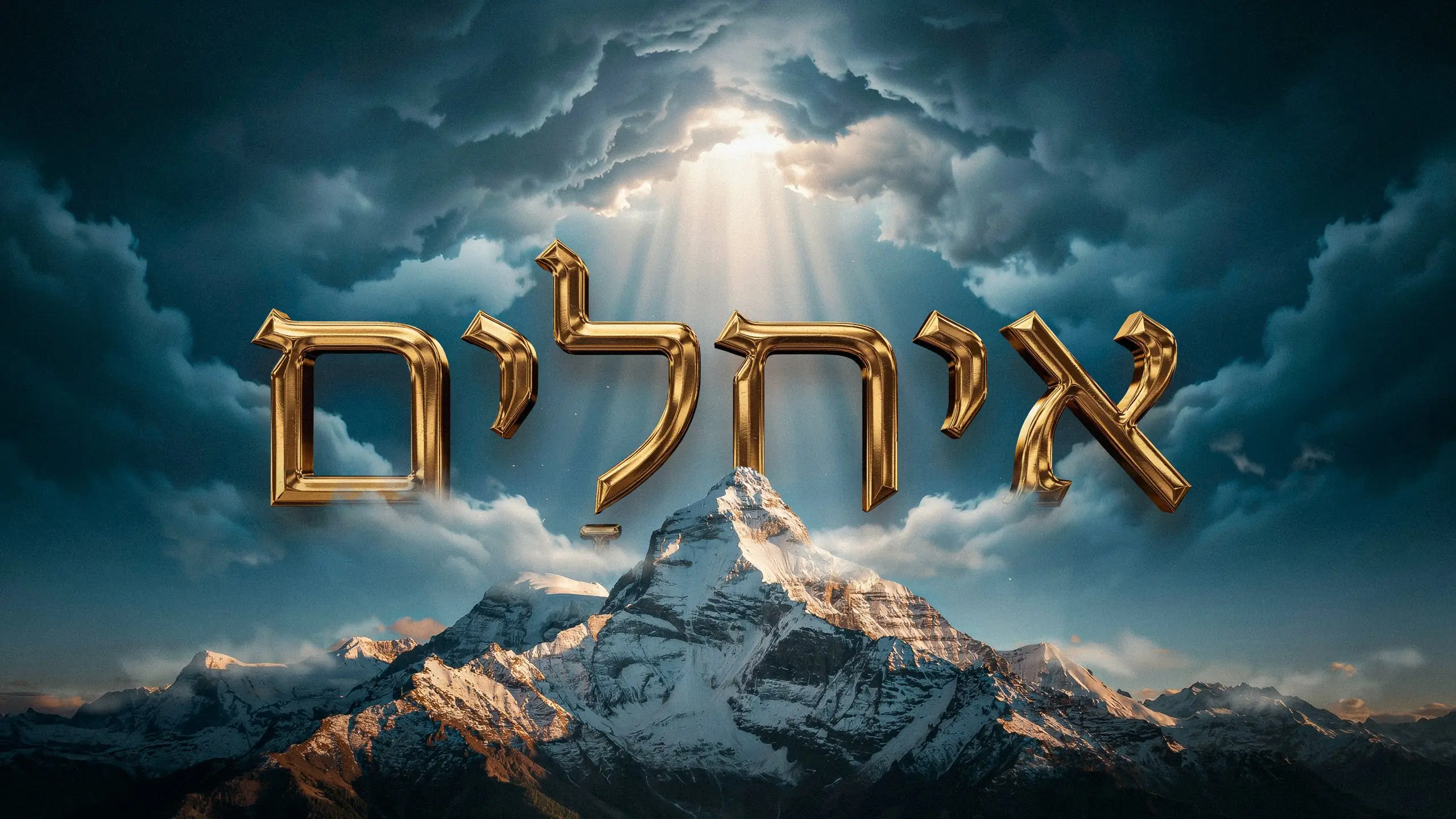
Elohim meaning in Bible refers to one of the most common names for God in Scripture. Found from Genesis onward, Elohim highlights God’s power, authority, and role as Creator. This divine name teaches believers that God rules over all creation, sustains life, and deserves worship, trust, and obedience from His people.
The name Elohim appears more than 2,500 times in the Old Testament. It is one of the first names for God that readers encounter in Scripture. When Genesis opens with the words, “In the beginning God created,” the Hebrew word translated as “God” is Elohim.
Understanding the Elohim meaning in Bible helps us see God’s greatness more clearly. This name reveals His strength, His authority over creation, and His relationship with humanity. It also connects to other divine names such as Jehovah Elohim, Adonai Elohim, and El Shaddai, each revealing different aspects of God’s character.
What Does Elohim Mean in the Bible?
The Elohim meaning in Bible centers on God’s supreme power and majesty. Elohim is the Hebrew name most often translated simply as “God” in English Bibles. It emphasizes God’s strength as Creator, Ruler, and Judge.
Genesis 1:1 (NIV) introduces Elohim at the very beginning of Scripture. The verse presents God as the One who brought the universe into existence. This teaches believers that nothing exists apart from His creative power.
Although Elohim is grammatically plural in Hebrew, it usually takes singular verbs when referring to the God of Israel. This shows that Scripture is speaking about one true God, not multiple gods.
For Christians, Elohim reminds us that God is limitless in power yet personally involved in His creation. Just as a builder has authority over a house, Elohim has authority over all creation because He made it.
Biblical Background of Elohim
Elohim appears throughout the Old Testament and forms a foundational part of Israel’s understanding of God. The patriarchs Abraham, Isaac, and Jacob worshiped Elohim long before Israel became a nation.
Genesis 17:7 (NIV) shows God establishing His covenant with Abraham. This reveals that Elohim is not only Creator but also a covenant-keeping God who forms relationships with His people.
Moses frequently used Elohim when recording God’s actions in Exodus. David praised Elohim in many Psalms, while prophets such as Isaiah declared His sovereignty over nations.
Throughout Israel’s history, Elohim stood in contrast to false gods worshiped by surrounding nations. Scripture consistently presents Elohim as the only true and living God who rules heaven and earth.
Hebrew Meaning of Elohim
The Hebrew word אֱלֹהִים (Elohim) is pronounced el-oh-HEEM. Its literal sense points to power, might, and divine authority. The root relates to strength and greatness. Throughout the Old Testament, Elohim identifies the God who creates, judges, and sustains all things. This reminds believers that God’s power is never limited by human weakness.
Another important Hebrew expression is יְהוָה אֱלֹהִים (Yahweh Elohim), often translated as “LORD God.” It combines God’s covenant name with His title of power. Genesis 2 repeatedly uses this combination to show both God’s authority and His personal relationship with humanity. Believers learn that the all-powerful Creator also desires fellowship with His people.
Where Does Elohim Appear in Scripture?
Elohim appears throughout both biblical history and theological teaching.
Genesis 1:1 (NIV) introduces Elohim as Creator. This establishes God’s authority over everything that follows in Scripture.
Deuteronomy 10:17 (NIV) describes Him as God of gods and Lord of lords. The passage emphasizes His unmatched greatness and justice.
Psalm 19:1 (NIV) declares that creation displays God’s glory. Nature itself points to Elohim’s power.
Isaiah 40:28 (NIV) teaches that God never grows tired. His strength far exceeds human limitations.
In the New Testament, the Greek word Theos often serves as the equivalent concept. John 1:1-3 (NIV) and Colossians 1:16 (NIV) connect Jesus Christ with creation itself, reinforcing truths associated with Elohim. These passages help Christians understand God’s power revealed through Christ.
Spiritual Meaning of Elohim
Elohim Reveals God’s Creative Power
Genesis 1:1 (NIV) presents Elohim as Creator. Everything visible and invisible exists because He spoke it into being. Believers can trust Him because the God who created the universe can also guide their lives. His power remains active today.
Elohim Demonstrates God’s Authority
Psalm 24:1 (NIV) teaches that the earth belongs to the Lord. Elohim owns and governs all creation. This truth encourages Christians to submit to God’s leadership rather than relying solely on human wisdom or strength.
Elohim Inspires Worship and Trust
Isaiah 46:9 (NIV) declares that there is no God like Him. Elohim stands above every rival and every earthly power. Because God is unmatched, believers can worship Him confidently and trust His promises.
How Does Elohim Compare to Other Divine Names?
Elohim Meaning Hebrew
In Hebrew, Elohim emphasizes divine power and majesty. The name highlights God’s role as Creator and sovereign ruler. While other names reveal additional attributes, Elohim consistently points to God’s greatness and authority over all creation.
Jehovah Elohim Meaning in Bible
Jehovah Elohim, often rendered LORD God, combines God’s covenant name with His title of power. Genesis 2 (NIV) uses this expression frequently. It shows that the Creator is also personal and relational. He is both mighty and near to His people.
Adonai Elohim Meaning
Adonai means “Lord” or “Master.” When paired with Elohim, the phrase stresses God’s authority and ownership. Ezekiel frequently uses this title. It reminds believers that God deserves obedience because He is both sovereign Creator and rightful Lord.
Shaddai Meaning in Bible
El Shaddai is often translated “God Almighty.” While Elohim emphasizes divine power generally, Shaddai highlights God’s all-sufficient strength and ability to provide. Genesis 17:1 (NIV) presents God as El Shaddai when speaking to Abraham, reassuring him of God’s faithfulness.
Adonai Meaning in Bible
Adonai focuses on lordship and submission. Elohim highlights power, while Adonai emphasizes God’s right to rule. Together they paint a fuller picture of God’s character as both powerful Creator and loving Master.
Elohim in the Bible KJV
Readers often search for “Elohim in the Bible KJV.” The King James Version usually translates Elohim simply as “God.” For example, Genesis 1:1 reads, “In the beginning God created the heaven and the earth.”
The KJV, NIV, ESV, NLT, and CSB all translate Elohim similarly in most contexts. The differences usually involve style and readability rather than meaning. Regardless of translation, the underlying Hebrew word points to God’s power and authority.
Understanding the original Hebrew can enrich Bible study, but believers can still grasp the central message through reliable English translations.
Elohim Meaning in Quran
The term Elohim does not appear in the Quran. It is a Hebrew biblical name used in the Old Testament. The Quran primarily uses Arabic names and titles for God, including Allah.
While both traditions affirm belief in one supreme Creator, the biblical concept of Elohim exists within the larger story of Scripture, including God’s covenant with Israel and His revelation through Jesus Christ.
For Christians, understanding Elohim involves studying the Bible’s unfolding revelation of God’s character and redemptive plan.
What Does Elohim Teach Christians Today?
The Elohim meaning in Bible remains deeply relevant today. It reminds believers that God is greater than every challenge, fear, or uncertainty.
When life feels overwhelming, Elohim reminds us that the Creator still reigns. The God who formed galaxies also knows every detail of our lives.
Romans 8:28 (NIV) teaches that God works for the good of those who love Him. Because Elohim possesses unlimited power, He can accomplish His purposes even through difficult circumstances.
This truth encourages faith, humility, worship, and dependence on God rather than ourselves.
Common Misunderstandings About Elohim
One common misunderstanding is that Elohim proves the existence of multiple gods because the word has a plural form. In biblical usage, however, Elohim typically refers to the one true God and is paired with singular verbs.
Another misconception is that Elohim represents a different deity than Yahweh. Scripture uses both names for the same God while emphasizing different aspects of His character.
Others assume Elohim refers only to God’s power. While power is central, Scripture also reveals His love, faithfulness, justice, and mercy through His actions toward Israel and ultimately through Jesus Christ.
Why Is Elohim Important in the Bible?
Elohim is important because it introduces readers to God’s identity from the opening chapter of Scripture. It establishes Him as Creator, King, Judge, and Sustainer.
Without understanding Elohim, readers miss a foundational biblical truth: God alone possesses ultimate authority over creation.
The name also prepares the way for deeper revelations of God’s character throughout Scripture. As believers encounter Jehovah Elohim, Adonai Elohim, and El Shaddai, they gain a fuller understanding of who God is.
Elohim anchors biblical faith in the reality of God’s unmatched power and sovereignty.
Related Biblical Themes
Creation
Genesis 1 highlights Elohim as Creator. Everything begins with God’s initiative and power.
Sovereignty
Daniel and Isaiah repeatedly emphasize God’s rule over nations and history. Elohim directs events according to His purposes.
Covenant Relationship
From Abraham to the apostles, God enters relationships with His people. Elohim is not distant. He draws near and remains faithful to His promises.
Frequently Asked Questions
What does Elohim mean in the Bible?
Elohim is a Hebrew name for God that emphasizes His power, majesty, and authority. It appears throughout the Old Testament and especially in Genesis. The name presents God as Creator, Ruler, and Sustainer of all things, reminding believers that He alone deserves worship and trust.
What is the Hebrew meaning of Elohim?
The Hebrew word Elohim comes from a root associated with strength and power. Although the form is grammatically plural, it usually refers to the one true God of Israel. In Scripture, it highlights God’s greatness, authority, and creative ability.
What is Jehovah Elohim in the Bible?
Jehovah Elohim, often translated LORD God, combines God’s covenant name with His title of power. The phrase appears frequently in Genesis 2. It reveals that God is both the all-powerful Creator and the personal God who relates to His people.
Is Elohim the same as Adonai?
Elohim and Adonai refer to the same God but emphasize different attributes. Elohim highlights God’s power and majesty. Adonai stresses His lordship and authority. Together, they provide a richer understanding of God’s character and relationship with believers.
Does Elohim appear in the New Testament?
The specific Hebrew word Elohim does not appear in the Greek New Testament. However, the concept continues through the Greek word Theos. New Testament writers affirm the same Creator God revealed in the Old Testament and fully revealed through Jesus Christ.
Key Faith Lessons
- God is the all-powerful Creator.
- God’s authority extends over every part of life.
- Elohim remains faithful to His promises.
- Believers can trust God’s wisdom and strength.
- Worship flows naturally from recognizing God’s greatness.
- God’s power and personal care work together for His people.
Conclusion
The Elohim meaning in Bible points to God’s unmatched power, authority, and majesty. From Genesis to Revelation, Scripture reveals Elohim as Creator, Sustainer, Judge, and covenant-keeping Lord. This name reminds believers that God rules over every detail of creation while remaining personally involved in the lives of His people.
Understanding Elohim deepens our worship because it helps us see God’s greatness more clearly. It also strengthens our faith during difficult seasons by reminding us that nothing is beyond His control.
Isaiah 40:28 (NIV) declares that the everlasting God never grows weary. That truth still encourages believers today. Remember this simple takeaway: the God who created the universe is powerful enough to guide your life.

Michael Carter specializes in Christian theology, biblical history, and faith-based education. His work covers topics such as salvation, grace, prophecy, apostles, biblical places, and the meaning of key Scripture passages. He is dedicated to providing accurate and reader-friendly biblical resources.