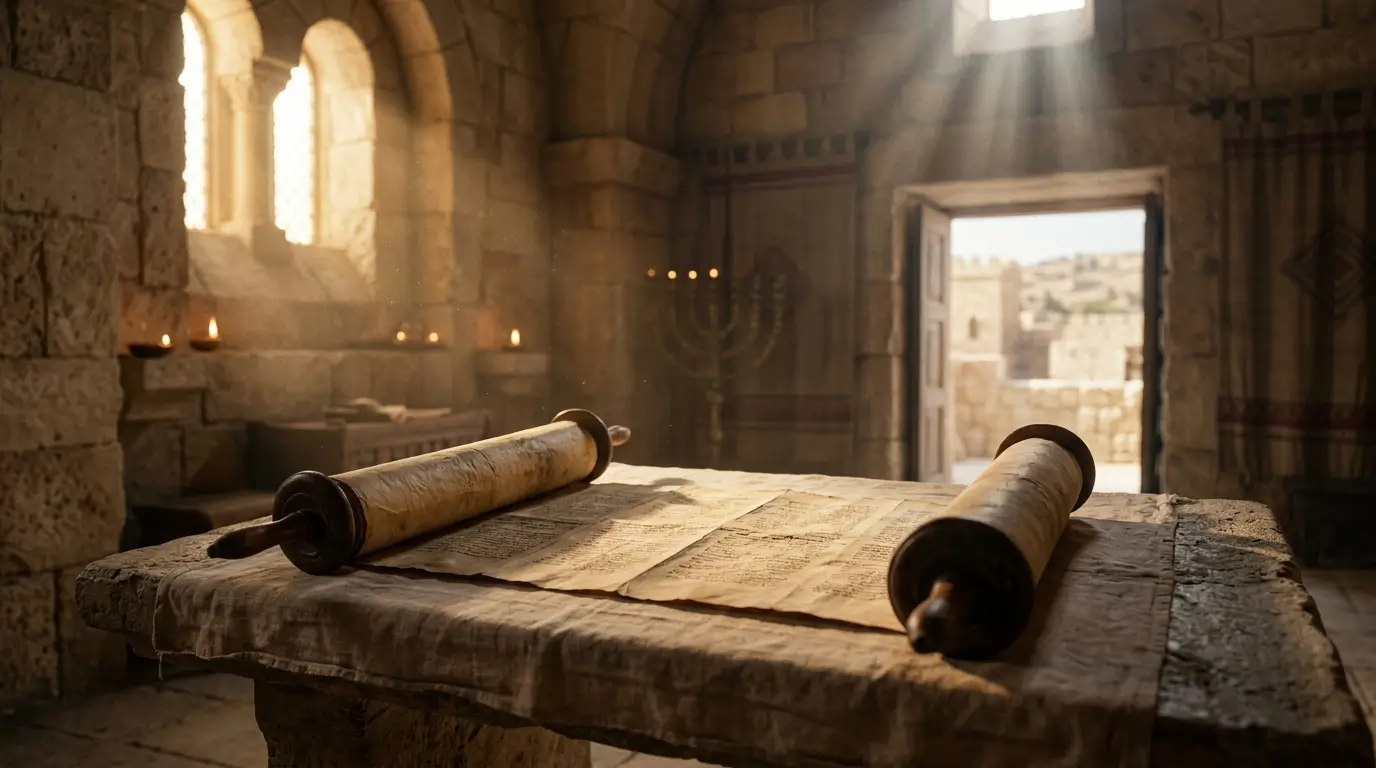
Selah meaning in Bible refers to a Hebrew term found mainly in Psalms and Habakkuk that signals a pause for reflection, worship, or musical emphasis.
It appears throughout Israel’s songs of praise and prayer, encouraging believers to stop, consider God’s truth, and respond with faith. Understanding Selah helps Christians meditate more deeply on Scripture and God’s character.
The phrase Selah meaning in Bible is one of the most searched biblical word studies because the term appears many times but is never directly defined in Scripture. Most readers encounter it while reading the Psalms and wonder why it is there.
Although scholars differ on its exact technical function, they generally agree that Selah invites thoughtful reflection. Rather than rushing through a passage, it encourages readers and worshipers to pause and consider what God has revealed. This simple word carries a powerful lesson for modern believers who often move too quickly through prayer, worship, and Scripture.
What Does Selah Mean in the Bible?
The Selah meaning in Bible centers on the idea of stopping and reflecting. The word appears 71 times in Psalms and 3 times in Habakkuk. It is usually placed at the end of a section or after an important statement about God, His power, His protection, or His faithfulness.
Because the Bible never defines Selah directly, scholars suggest it may have served as a musical direction, a liturgical marker, or an instruction to pause. Whatever its original technical use, the placement of the word consistently highlights important truths.
For example, Psalm 46 celebrates God’s protection during trouble. The repeated use of Selah encourages worshipers to stop and absorb the message rather than merely sing it. The spiritual lesson is clear: God’s truth deserves thoughtful meditation, not hurried reading. Selah reminds believers to make space for reflection so faith can move from the mind into the heart.
Biblical Background of Selah
Selah appears primarily in the Psalms, many of which were written by King David. Other psalmists, including the sons of Korah and Asaph, also used the term. The prophet Habakkuk later included it in a poetic prayer recorded in Habakkuk 3.
Psalm 3:2, Psalm 24:6, Psalm 46:7, Psalm 62:8, and Habakkuk 3:3 (NIV) all contain Selah in contexts that emphasize God’s majesty, deliverance, or judgment. In each case, the word appears where readers naturally benefit from reflection.
Ancient Israel used music extensively in worship at Jerusalem’s temple. Since many Psalms were sung publicly, Selah may have directed singers or musicians. Even if its original musical purpose remains uncertain, its placement consistently draws attention to significant spiritual truths about God, His covenant people, and His saving power.
Hebrew Meaning of Selah
The Selah meaning in Hebrew remains debated, but most scholars connect it to the Hebrew word סֶלָה (Selah), pronounced SEH-lah. Many believe it carries the sense of “pause,” “lift up,” or “reflect.” Its root meaning may involve elevation or emphasis within worship.
This understanding fits how the word functions throughout Psalms. Important declarations about God often appear immediately before Selah, inviting worshipers to think deeply about what they have heard.
A second related Hebrew idea links Selah to musical expression or instrumental interludes. If so, the word may have signaled a moment when music continued while listeners reflected on God’s message.
For believers today, both possibilities point toward the same application: God desires thoughtful worship. Selah teaches us to slow down and give His truth our full attention.
Where Does Selah Appear in Scripture?
The Selah meaning in Bible Psalms becomes clearer when we examine where the term appears. It is found throughout several categories of Psalms, including praise psalms, lament psalms, royal psalms, and thanksgiving psalms.
Psalm 3:4 (NIV) follows David’s prayer for deliverance with Selah. The pause encourages confidence in God’s response.
Psalm 32:4 (NIV) discusses conviction over sin before Selah appears. Readers are invited to reflect on repentance and forgiveness.
Psalm 46:10-11 (NIV) highlights God’s sovereignty. The nearby Selah emphasizes trust during uncertainty.
Psalm 62:8 (NIV) urges believers to pour out their hearts before God. Selah encourages personal reflection and prayer.
Habakkuk 3:13 (NIV) celebrates God’s saving work. The word underscores His faithfulness throughout history.
These references show that Selah consistently appears around moments of deep spiritual significance. It functions like a sacred invitation to pause and consider God’s truth.
Spiritual Meaning of Selah
Selah Teaches Us to Pause Before God
Modern life moves quickly. Selah reminds believers that spiritual growth often happens during quiet reflection. Psalm 46:10 (NIV) says to know that God is God. A pause allows that truth to settle into our hearts. Worship becomes deeper when we stop and listen rather than constantly speak.
Selah Encourages Meditation on Scripture
Joshua 1:8 (NIV) calls God’s people to meditate on His Word. Selah reflects that same principle. Instead of reading quickly, believers can stop and think about what a passage reveals regarding God’s character, promises, and commands. Reflection transforms information into wisdom.
Selah Builds Trust During Difficult Seasons
Many Psalms containing Selah were written during hardship. David often faced enemies, fear, and uncertainty. Yet the pauses point readers back to God’s faithfulness. Selah teaches that even in trials, believers can stop, remember God’s promises, and choose trust over anxiety.
How Does Selah Compare to Other Meanings and Translations?
Selah Meaning in English
There is no single English translation that fully captures Selah. Most Bible versions, including NIV, ESV, KJV, NLT, and CSB, simply retain the original Hebrew term. English explanations often use words such as “pause,” “reflect,” or “consider.” These are interpretations rather than direct translations.
Selah Meaning in Greek
The Selah meaning in Greek is less significant because Selah originates from Hebrew worship poetry. The Greek Septuagint sometimes translated the term differently or treated it as a musical marker. As a result, the Hebrew background remains the most important source for understanding its meaning.
Selah Meaning in Bible KJV
The Selah meaning in Bible KJV is essentially the same as in modern translations. The King James Version preserves the Hebrew word rather than replacing it with an English equivalent. This approach acknowledges that the precise technical meaning remains uncertain while preserving the original text.
Selah Meaning in Bible Pronunciation
The common Selah meaning in Bible pronunciation is SEH-lah. Some readers pronounce it SEE-lah, but biblical language scholars generally favor SEH-lah. While pronunciation matters for reading aloud, understanding the word’s purpose in worship is far more important than perfect pronunciation.
Does Selah in the Bible Mean Amen?
Many readers ask, Does Selah in the Bible mean amen?
The answer is no. Amen and Selah serve different functions. Amen means “truly,” “so be it,” or “let it be so.” It expresses agreement with a statement or prayer. Jesus Christ frequently used amen to emphasize truth, and believers often conclude prayers with it.
Selah, by contrast, appears primarily in Hebrew poetry and songs. Rather than expressing agreement, it signals reflection, emphasis, or a pause within worship. Both words are spiritually meaningful, but they communicate different ideas. Confusing them can obscure the unique purpose each serves within Scripture.
What Does Selah Mean in the Bible and Why Is It Important?
When people ask, What does Selah mean in the Bible and why is it important, they are really asking how the word affects faith today.
Selah matters because it teaches a biblical rhythm of reflection. Moses, David, Isaiah, Peter, Paul, and other biblical figures regularly paused to seek God before acting. Scripture consistently values meditation, prayer, and thoughtful worship.
The word also reminds believers that truth should shape life, not merely pass through the mind. Reflection allows God’s Word to influence decisions, relationships, and spiritual growth. In a culture of constant distraction, Selah calls Christians back to attentive worship and deeper communion with God.
What Does Selah Teach Christians Today?
Christians today can learn several practical lessons from Selah. First, worship should include moments of silence and reflection. Second, Bible reading becomes more fruitful when we pause to consider what God is saying. Third, prayer should involve listening as well as speaking.
Philippians 4:6-8 (NIV) encourages believers to focus their minds on what is true and worthy. Selah reflects that mindset. It teaches us to slow down, meditate on God’s promises, and trust Him more fully.
Whether reading Psalms, attending church, or spending time in personal devotion, believers benefit from intentional pauses that allow God’s truth to take root.
Common Misunderstandings About Selah
One misunderstanding is that scholars know the exact definition of Selah. They do not. The Bible never explicitly defines the word, which is why several interpretations exist.
Another misconception is that Selah contains hidden mystical secrets. Scripture gives no evidence for such claims. The term functions within worship and poetry, not as a coded message.
A third misunderstanding equates Selah with Amen. While both words appear in worship contexts, they serve different purposes. Amen expresses agreement. Selah encourages reflection. Understanding these distinctions helps readers interpret biblical passages more accurately.
Why Is Selah Important in the Bible?
The Selah meaning in Bible remains important because it reveals something about God’s design for worship. God does not merely seek activity from His people; He seeks thoughtful devotion.
Psalm 77:11-12 (NIV) emphasizes remembering and meditating on God’s works. Selah complements that practice by creating space for reflection. Charles Spurgeon described the Psalms as invitations to meditate on divine truth, and Selah often marks those moments.
The word also highlights the importance of worship that engages both the heart and mind. By slowing readers down, Selah points them toward deeper trust, gratitude, and reverence before God.
Related Biblical Themes
Three biblical themes closely connect with Selah.
Meditation: Psalm 1:2 (NIV) describes delighting in and meditating on God’s law. Selah supports this practice by encouraging thoughtful reflection.
Worship: Many occurrences appear within songs of praise. Worship involves more than singing; it includes contemplating God’s greatness.
Trust: Numerous Psalms place Selah after declarations of God’s protection. The pause invites believers to rest in God’s faithfulness rather than their circumstances.
Together, these themes show how Selah strengthens spiritual growth and deepens a believer’s relationship with God.
Frequently Asked Questions
What is the simplest definition of Selah in the Bible?
Selah is a Hebrew term found mainly in Psalms and Habakkuk. Most scholars believe it signals a pause, reflection, or musical emphasis during worship. While its exact technical meaning remains uncertain, it consistently encourages readers to consider God’s truth more carefully and worship Him thoughtfully.
How many times does Selah appear in Scripture?
Selah appears 74 times in the Bible. It occurs 71 times in the Book of Psalms and 3 times in Habakkuk. Its repeated placement around important statements about God suggests it served a meaningful role in worship, meditation, and the reading of sacred poetry.
Why do Bible translations leave Selah untranslated?
Most translations preserve Selah because scholars cannot determine its exact original function with complete certainty. Versions such as the NIV, ESV, KJV, NLT, and CSB keep the Hebrew word while allowing readers to study its likely meanings through context and biblical scholarship.
Is Selah only found in the Old Testament?
Yes. Selah appears only in Old Testament Hebrew poetry, particularly Psalms and Habakkuk. It does not appear in the New Testament. However, its principle of reflection aligns with New Testament teachings about prayer, meditation, worship, and focusing on God’s truth.
Can Christians apply Selah to daily life?
Absolutely. Selah encourages believers to pause regularly for prayer, Scripture meditation, and worship. In a busy world, the practice of stopping to reflect on God’s character and promises helps strengthen faith, deepen trust, and foster spiritual maturity throughout daily life.
Key Faith Lessons
- God values thoughtful worship, not rushed devotion.
- Reflection helps biblical truth shape daily life.
- Silence can strengthen prayer and spiritual growth.
- Trust grows when believers remember God’s faithfulness.
- Scripture should be meditated on, not merely read.
- Selah reminds us to pause and focus on God.
Conclusion
Understanding the Selah meaning in Bible helps us appreciate a small word with a powerful spiritual message. Although scholars continue to discuss its exact technical meaning, its biblical purpose remains clear. Selah invites believers to pause, reflect, worship, and trust God more deeply.
Throughout Psalms and Habakkuk, the word appears near important truths about God’s protection, holiness, justice, and faithfulness. Rather than rushing past those truths, worshipers are encouraged to stop and consider them carefully.
For Christians today, Selah remains a timely reminder in a fast-moving world. God’s Word deserves our full attention. As Psalm 46:10 (NIV) teaches, we are called to be still and know that He is God. The enduring lesson of Selah is simple: pause, reflect, and let God’s truth transform your heart.

Daniel Matthews is a Bible researcher and Christian writer with a passion for explaining biblical terms, names, symbols, and theological concepts in simple language. He specializes in Old Testament studies, Hebrew word meanings, and biblical symbolism, helping readers better understand Scripture and its historical context.